Complete Voxel Development Suite
Choose between animations, controls or models
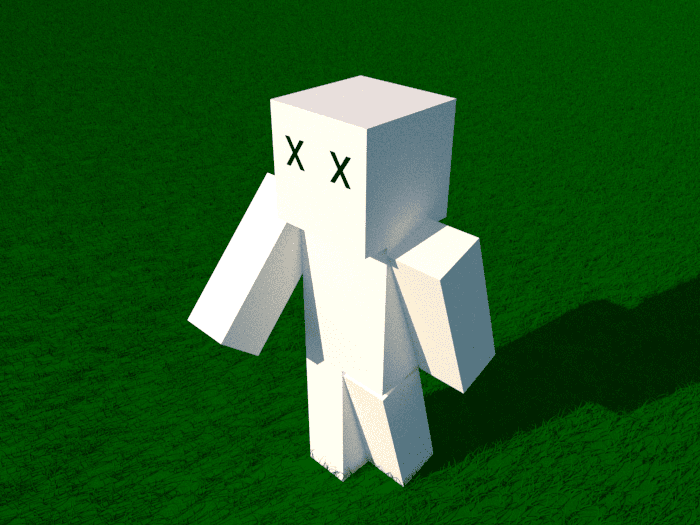
Craft Character Controller
Professional-grade character controller. Precise movement, 360° camera system, procedural animations and full audio system, New input System.
 Demo
Demo
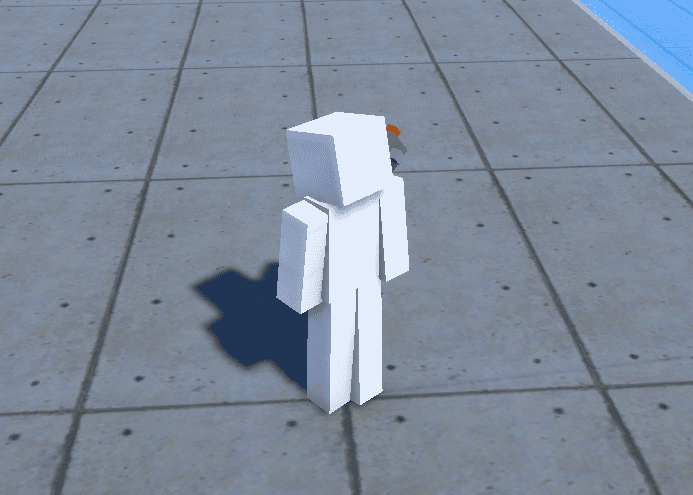
Voxel Player Controller
Complete modular character controller with movement, combat, AI, swimming, and audio systems. Save 180+ hours of development.
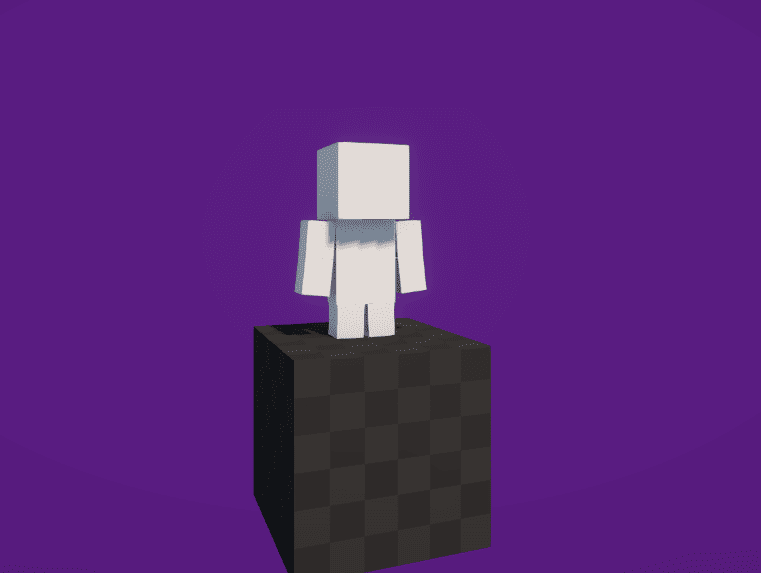
Voxel Character Animator
Procedural animation system with 8 states, dual styles, and integrated audio. Complete solution for character animation.
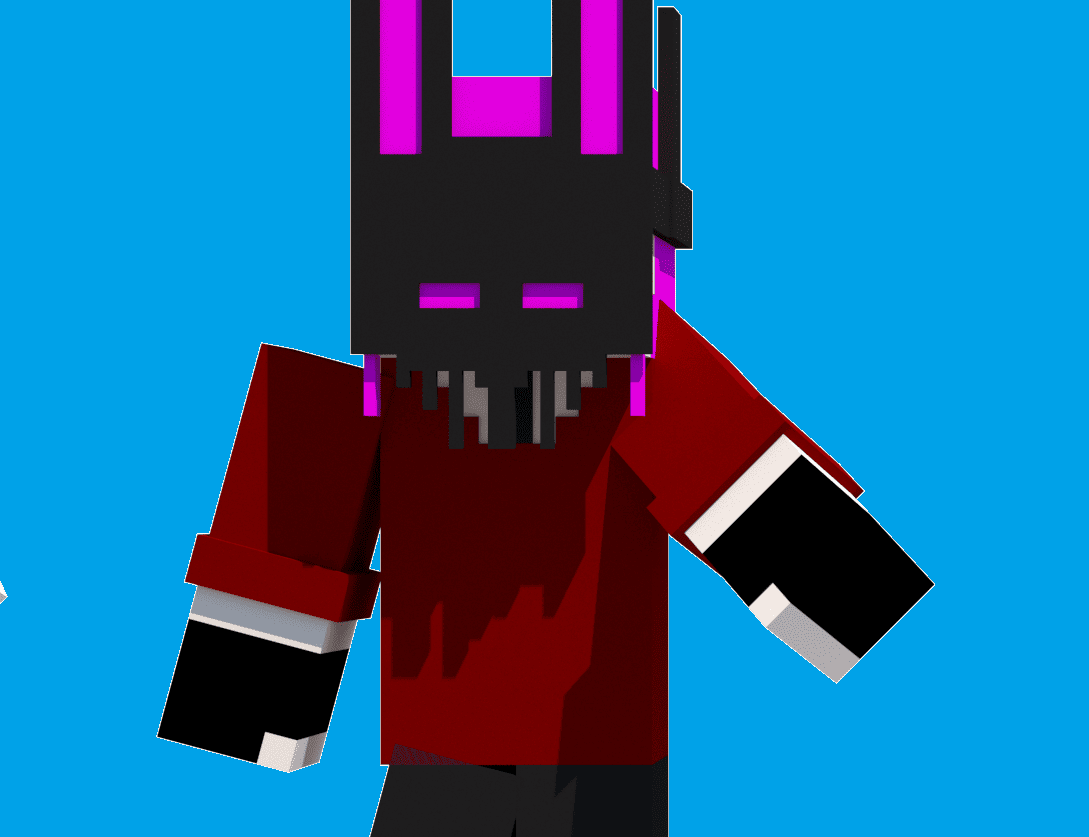
Voxel Models
8 fully modular voxel 3D models for Unity. Each model includes a basic humanoid rig compatible with Unity Mecanim and pre-made reusable Animation Clips (Idle, Walk, Run, Jump, Die). Ready to drop into any project.
 Sketchfab
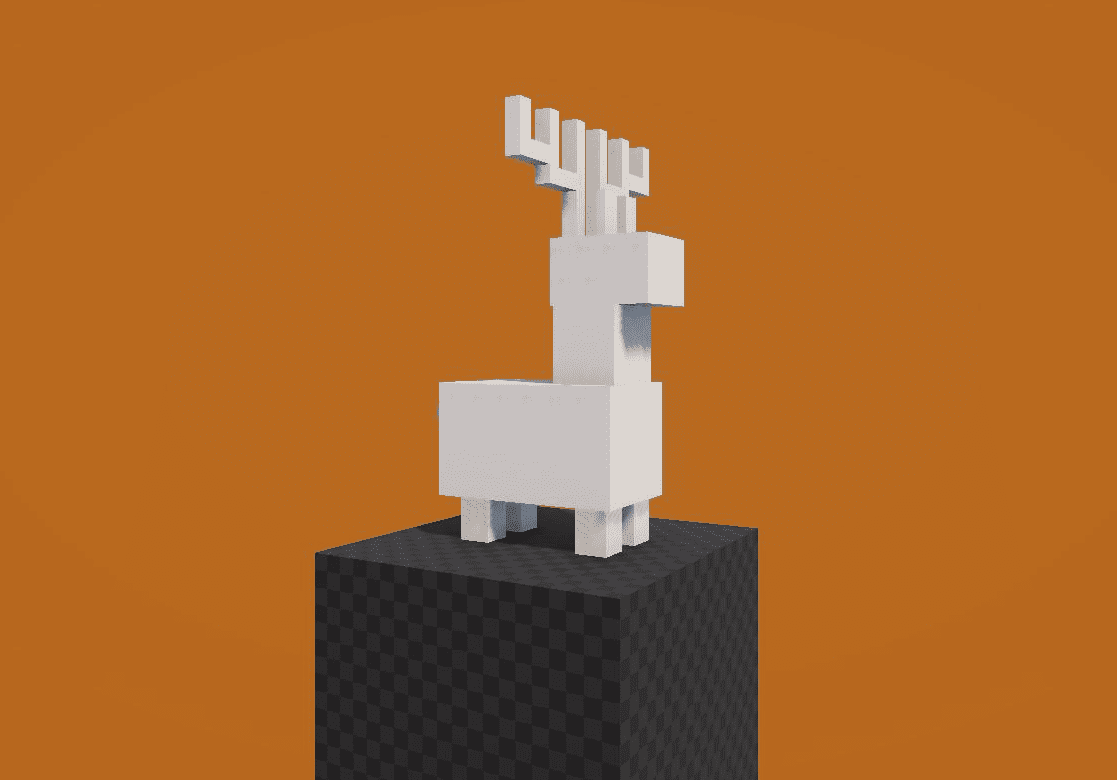
Voxel Quadruped Animator
Procedural animation system for quadrupeds with 14 states, herd AI, and 150+ animal optimization. Perfect for wildlife and open-world games.
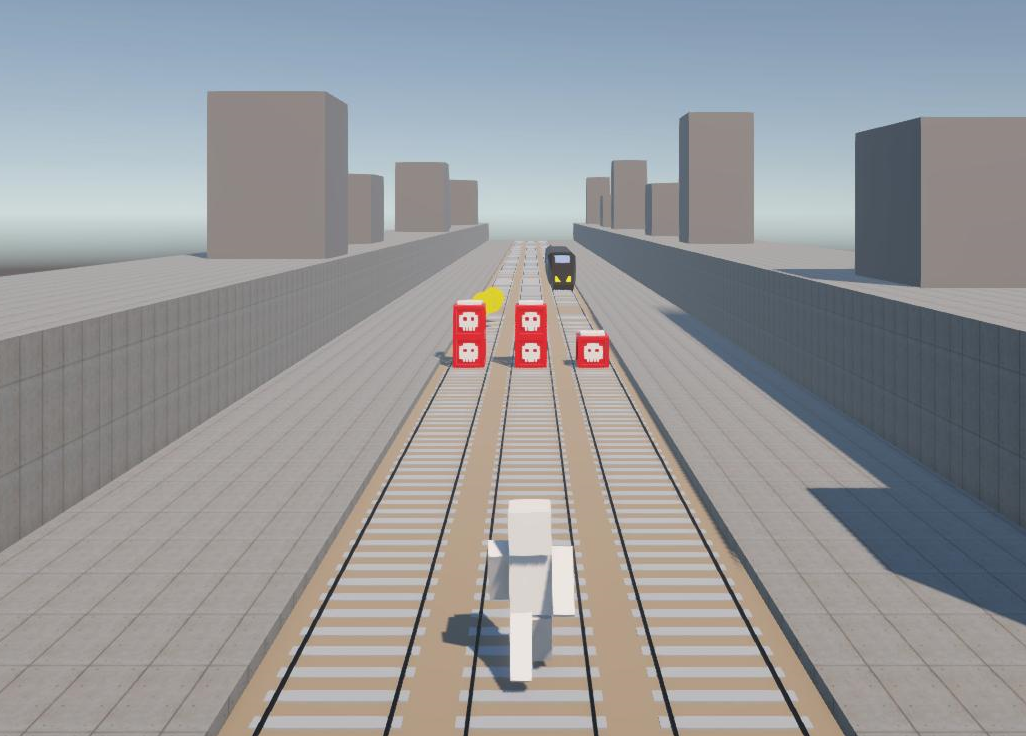
Voxel Run Modular Endless Runner Systems
Voxel Run is a focused, developer-oriented collection of modular systems for 3D endless runner games in Unity.
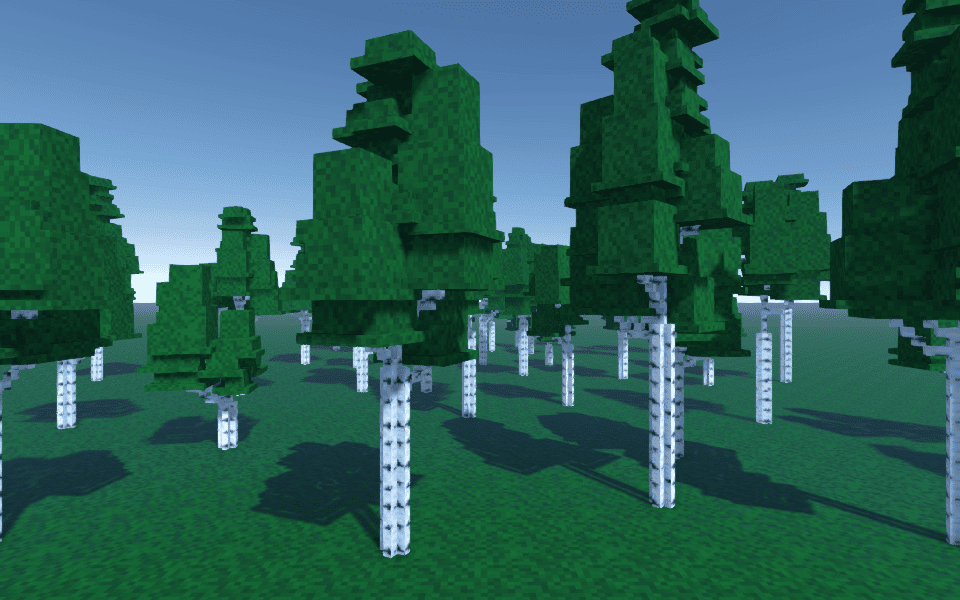
Voxel Tree Albedul Pack
40 handcrafted voxel-style trees optimized for real-time games. Includes 4 size categories (Dwarf, Juvenile, Adult, Tall) with unique individual designs and clean voxel shell meshes. Perfect for dense forests, survival games, and stylized environments.
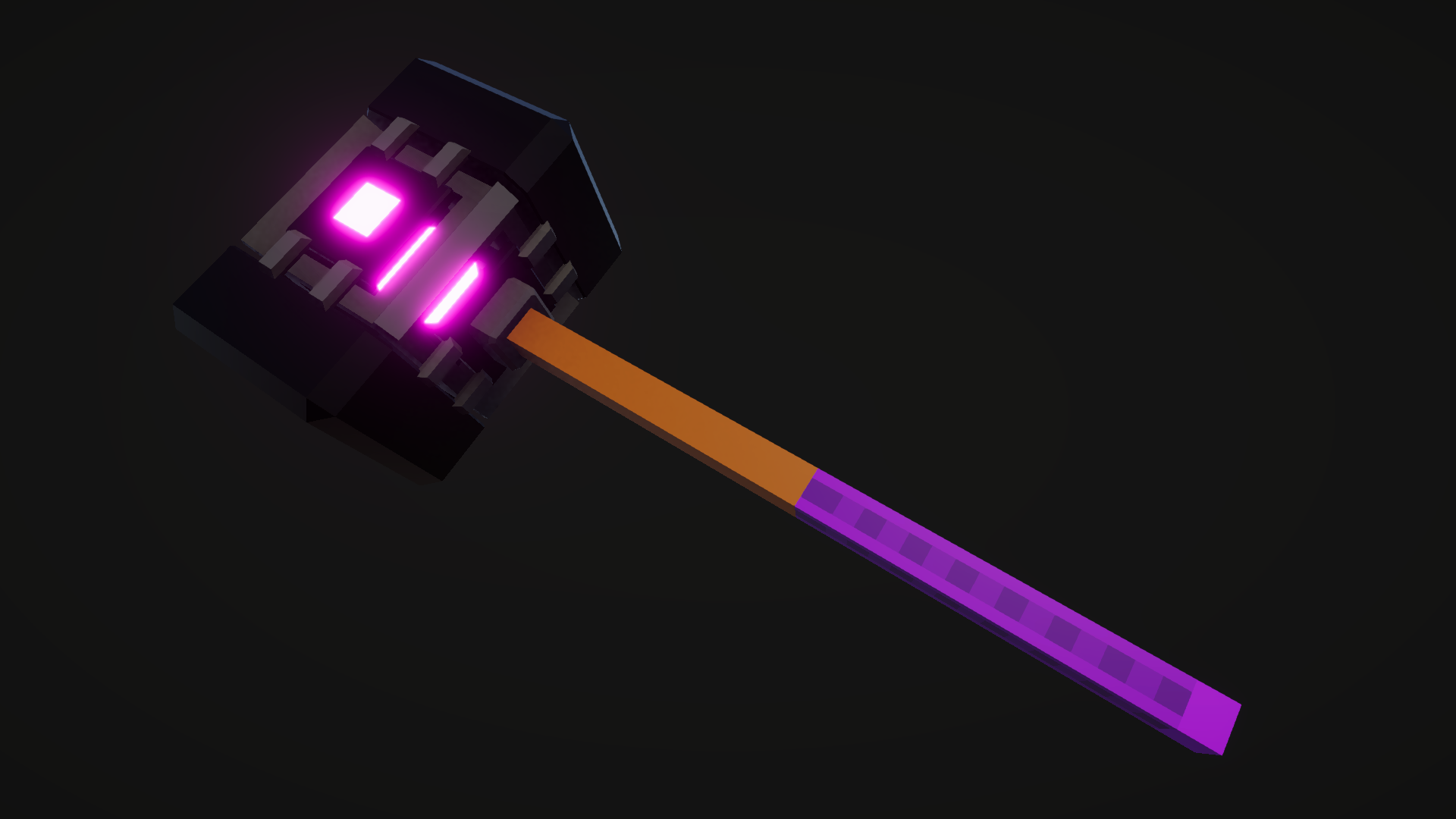
Stylized Voxel Medieval Weapons Pack
A complete stylized voxel medieval arsenal including 10 weapons: swords, katanas, axes, hammers, bow, arrow, quiver, spear, knife, and shield. Designed with clean rectangular voxel cuts, shell meshes, and ready-to-use prefabs. Perfect for RPG, fantasy, survival, and stylized indie Unity projects.
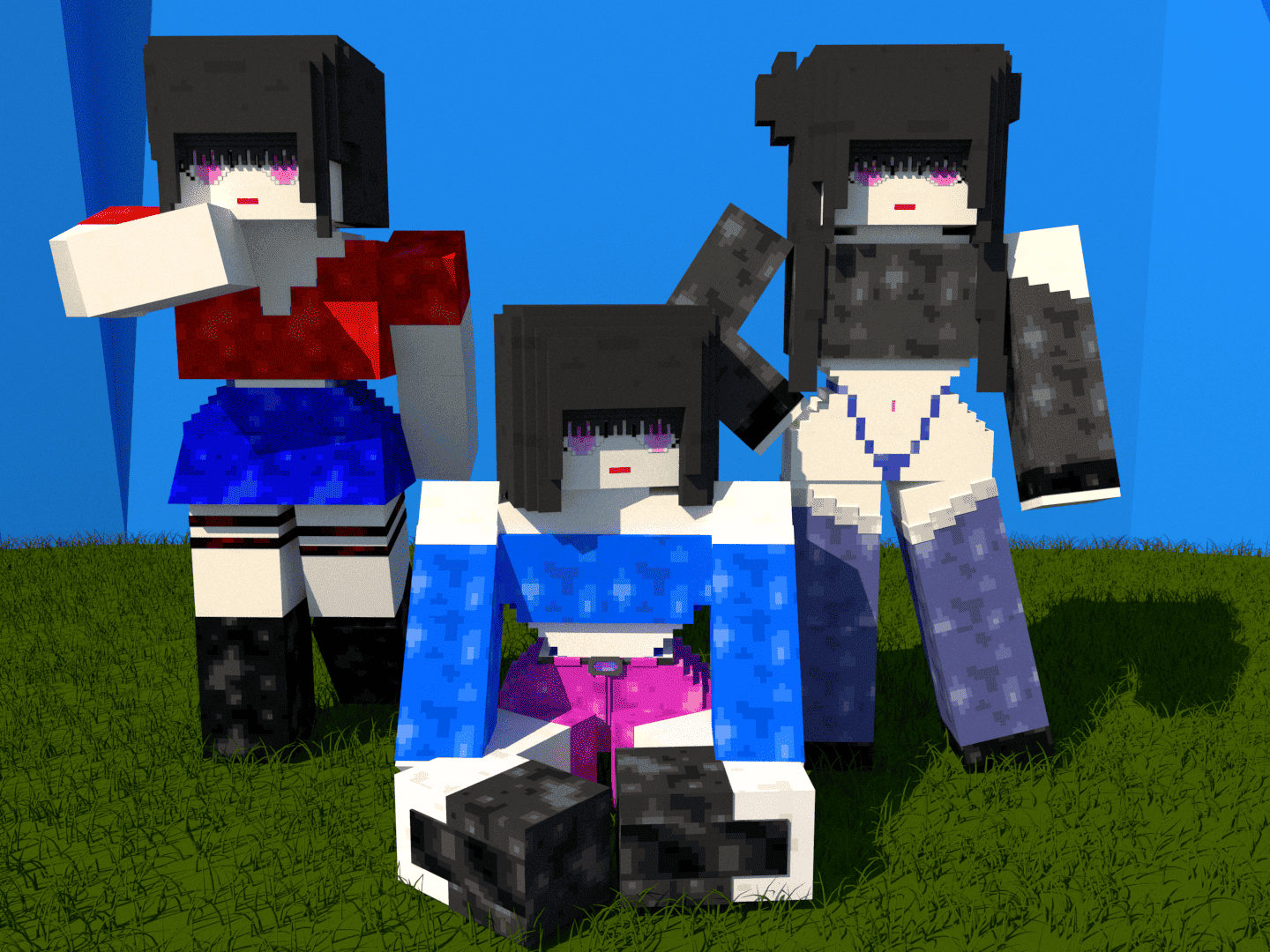
Voxel Stylized Female Character Pack
3 modular animated voxel female characters ready for Unity. Features modular clothing system with separate tops (Spine), sleeves (Arms + Forearms), and bottoms (Legs) — mix and match across all 3 characters. Includes shared humanoid rig, 5 reusable animations (Idle, Walk, Run, Jump, Die), preconfigured Animator Controller, and demo scene. Perfect for stylized, low-poly, and voxel-based games.
 Fab
Fab

N.E.X.U.S. NPC Executive Unified System
Production-ready hybrid AI architecture combining FSM + Utility AI. Features 3 behavior modes (Utility AI / Persecutor / Territorial), advanced object pooling with gradual preloading, 4-level LOD system for scalability, and procedural bone animation — no Animator Controller needed. Includes complete event-driven architecture, 3D spatial audio, and performance optimizations (config caching, HashSet collections, conditional Sqrt). Scale from 50 NPCs on mobile to 500+ on high-end PC.
 Video
Video
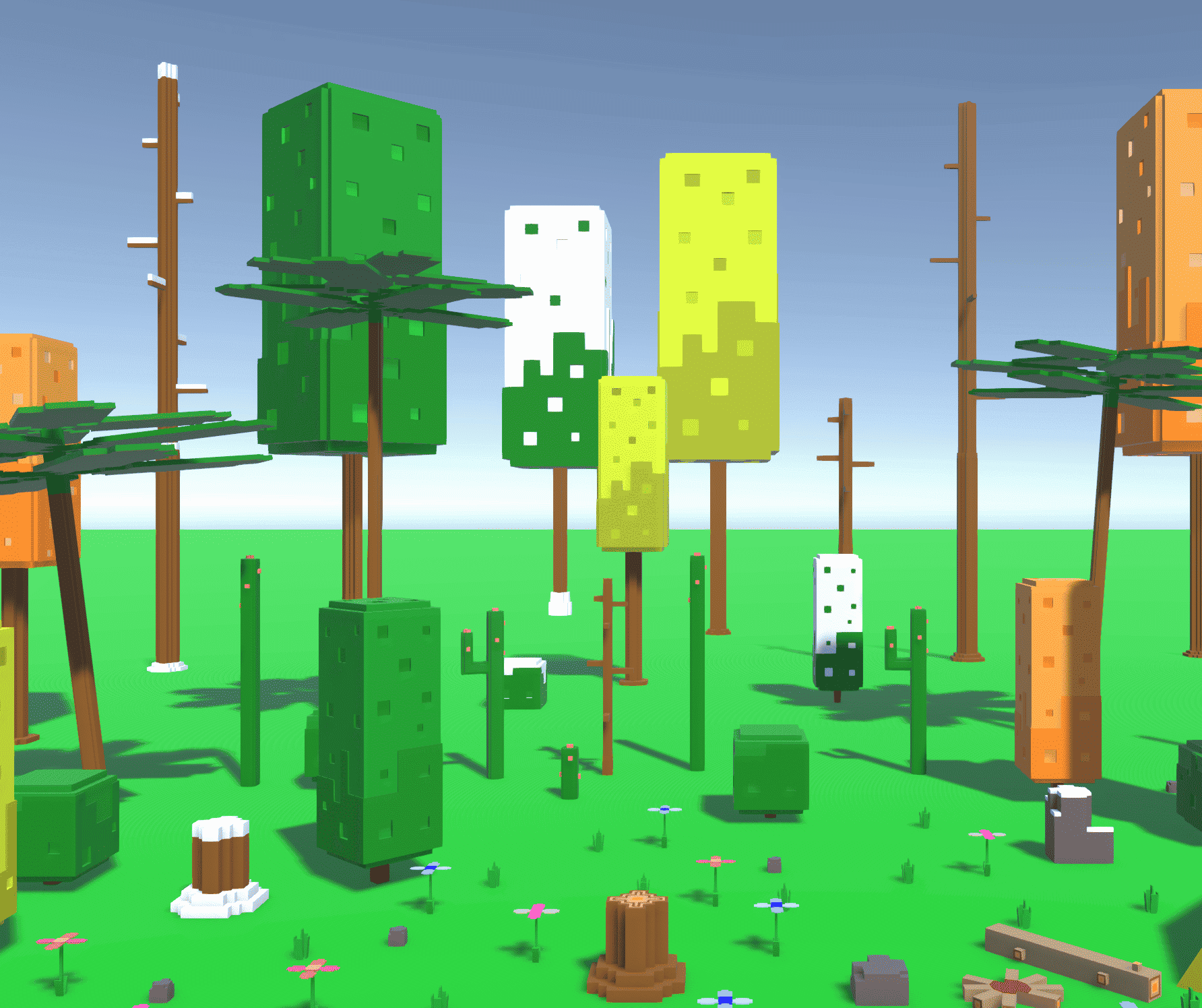
Stylized Voxel Trees Pack – Fantasy Low Poly Forest
46 models voxel-style with solid‑color materials — no textures.Tall, Medium, and Small size categories, each with unique shapes. Single‑mesh models.

ProductX – Professional HTML Landing Page
Modern static template for startups and SaaS. Edit via [brackets], dark mode built-in, English/Spanish ready. No database, no backend.
 Gumroad
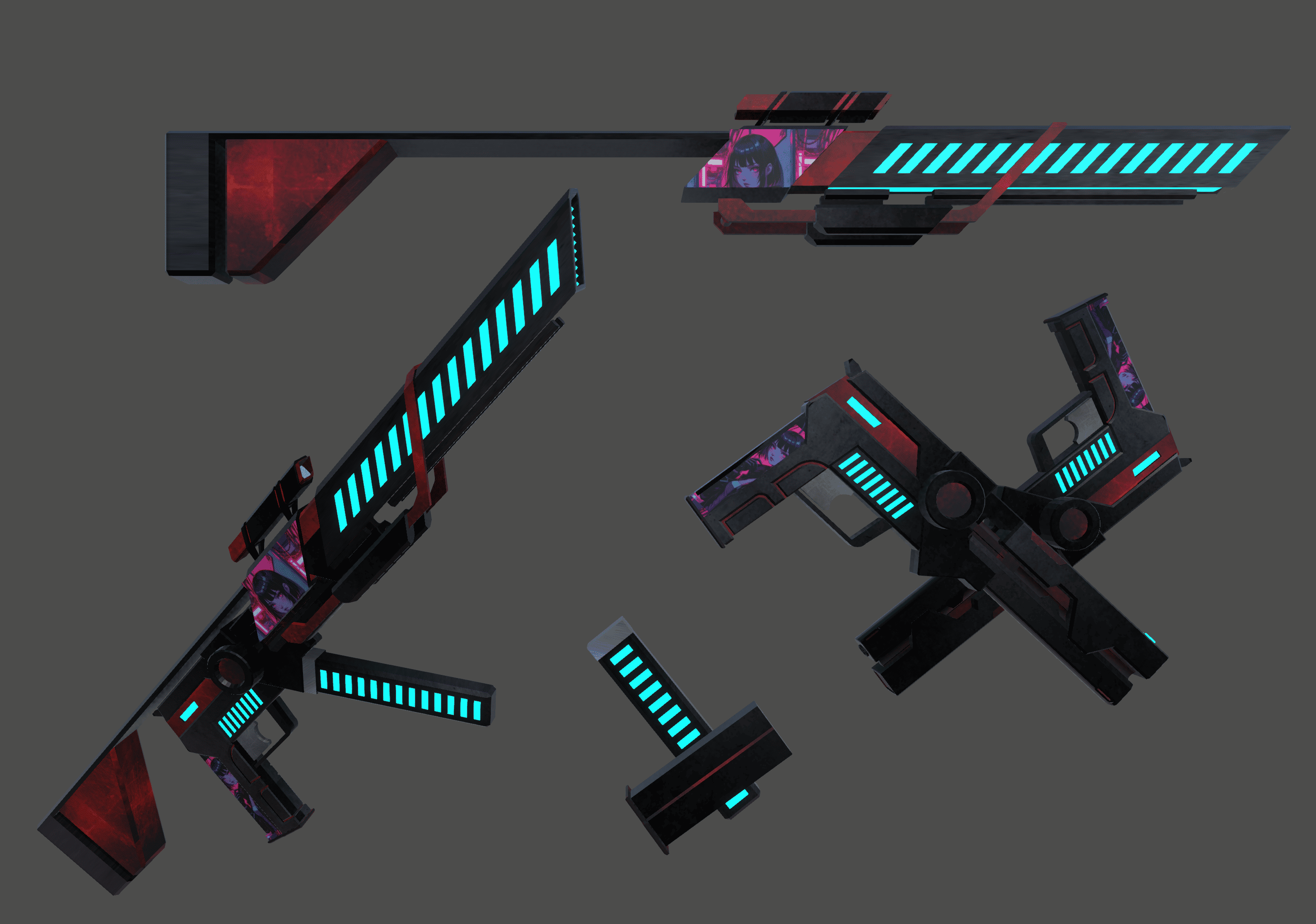
Cyberpunk Energy Weapon Pack – Modular Guns & Melee Weapons
A low poly stylized cyberpunk weapon pack designed for futuristic and sci-fi games, including modular guns, melee weapons, throwable weapons, and an optional segmented energy bar system. Includes a Unity script for energy management and assets optimized for Built-in, URP, and HDRP.

ScoreDrop – Simple Leaderboard API
Simple leaderboard API for indie games that works with any engine or language. Integrate in less than a minute with a free tier (20 scores, 30 requests/min). Features UUID player identification, automatic name updates, time filtering (today/week/month/all), and pagination. Includes official Unity SDK and examples for Godot, Unreal, HTML/JS, Python, C++, C#, and Construct.
 ScoreDrop

Smart Wikipedia Browser – Wikipedia Integration for Unity
Professional Wikipedia integration asset for Unity games and applications. Search and retrieve articles instantly with 50+ languages supported, intelligent caching system, and automatic image resizing. Drag & drop setup, ready in minutes. Perfect for educational games, trivia apps, reference tools, and interactive storytelling.
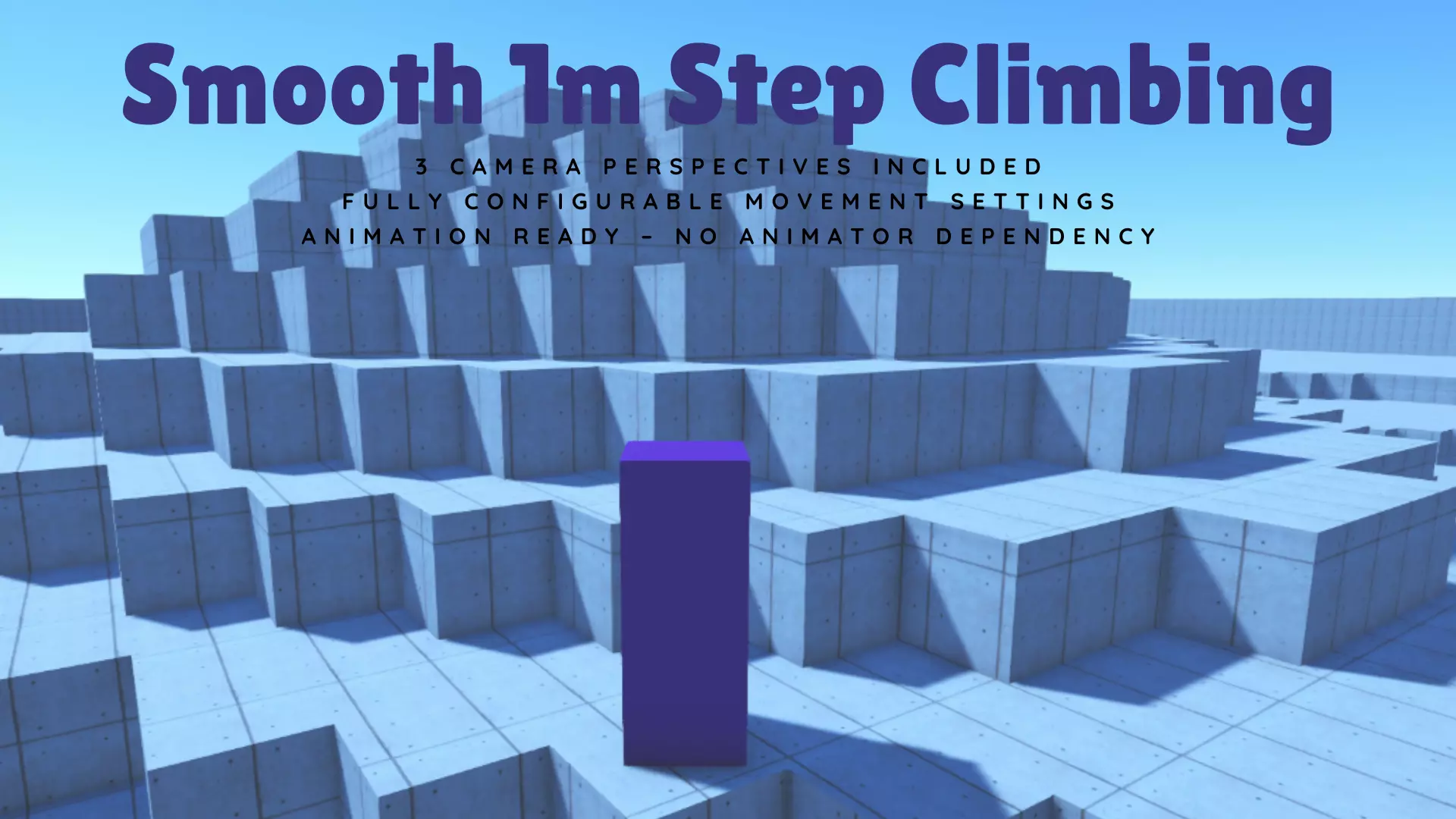
Smart Step Craft Character Controller – Modular FPS/TPS Controller for Unity 6
Professional first/third-person controller built on Unity's CharacterController component. Features predictable ground movement (walk, sprint, sneak, jump, fall), dual camera perspectives with collision handling, dynamic footstep audio, and CharacterController collision fix for velocity spikes. Clean, modular architecture with Unity 6 support and New Input System integration.